Common Myths About Pet Waste Disposal Debunked


Understanding Common Myths About Pet Waste Disposal
When it comes to pet waste disposal, there are numerous myths that circulate, often leading to confusion and improper waste management. Proper disposal is crucial for maintaining a clean environment and ensuring the health of both people and pets. Let's debunk some of these myths to promote better practices.
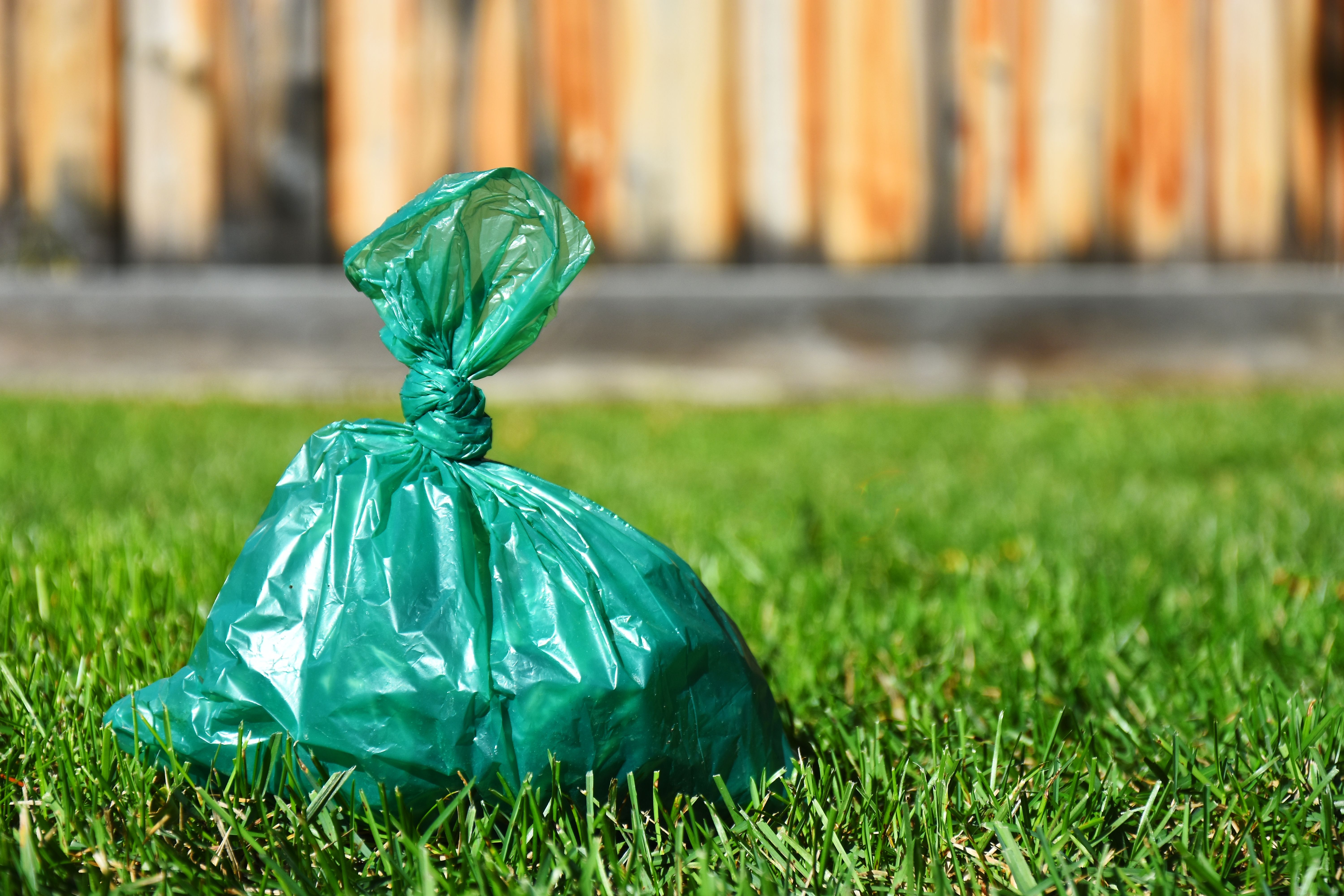
Myth 1: Pet Waste is a Natural Fertilizer
Many people believe that pet waste acts as a natural fertilizer for lawns and gardens. While it might seem like a logical assumption, pet waste is not suitable for this purpose. It contains harmful bacteria and parasites that can contaminate the soil and water sources, posing a risk to human health and the ecosystem.
Unlike manure from herbivores, which can be composted and used as fertilizer, pet waste from carnivorous animals like dogs and cats contains pathogens that survive for long periods. Using it as fertilizer can introduce these pathogens into your garden, potentially leading to health issues.
Myth 2: Flushing Pet Waste is Safe
Flushing pet waste down the toilet might seem like a convenient disposal method, but it's not always the best choice. Many municipal sewage systems are not equipped to handle pet waste, leading to potential clogs and other plumbing issues. Additionally, some parasites found in pet waste are not removed by sewage treatment processes.
Instead of flushing, consider using biodegradable bags to dispose of pet waste in the trash. This method is safer for your plumbing and the environment.
Myth 3: Pet Waste Doesn't Affect the Environment
It's a common misconception that pet waste doesn't have a significant environmental impact. In reality, it contributes to water pollution when left on the ground. Rainwater can wash the waste into storm drains and waterways, introducing harmful bacteria and nutrients that disrupt aquatic ecosystems.
Proper disposal of pet waste helps prevent water contamination and protects local wildlife. It's essential to clean up after your pet and dispose of waste responsibly.

Myth 4: Only Large Dogs' Waste Needs to be Picked Up
Some pet owners believe that only large dogs' waste needs to be picked up because it's more noticeable. However, waste from pets of all sizes contains the same harmful bacteria and parasites. Regardless of the size of your pet, it's important to clean up after them to maintain public health and cleanliness.
Leaving pet waste on the ground contributes to unsanitary conditions and can lead to fines in many communities. Always carry waste bags when walking your dog, regardless of their size.
Conclusion
Debunking these common myths is crucial for improving pet waste disposal practices. By understanding the facts, pet owners can take responsible actions that benefit both the community and the environment. Remember, proper disposal is an essential part of pet ownership, contributing to a cleaner and healthier world for all.