Debunking Myths: Common Misconceptions About Pet Waste Removal


Introduction
Pet waste removal is an essential aspect of responsible pet ownership, yet it's often surrounded by myths and misconceptions. Understanding the truth about this topic can lead to healthier pets, cleaner environments, and happier communities. Let's dive into the common misconceptions and debunk them.
Myth 1: Pet Waste is Good Fertilizer
Many people believe that pet waste can act as a natural fertilizer for their gardens. However, this is a misconception. Unlike cow manure, pet waste contains harmful bacteria and parasites that can contaminate soil and water.
Using pet waste as fertilizer can lead to the spread of diseases such as E. coli and salmonella. It's important to dispose of pet waste properly to protect the environment and community health.
Myth 2: Pet Waste Naturally Decomposes Quickly
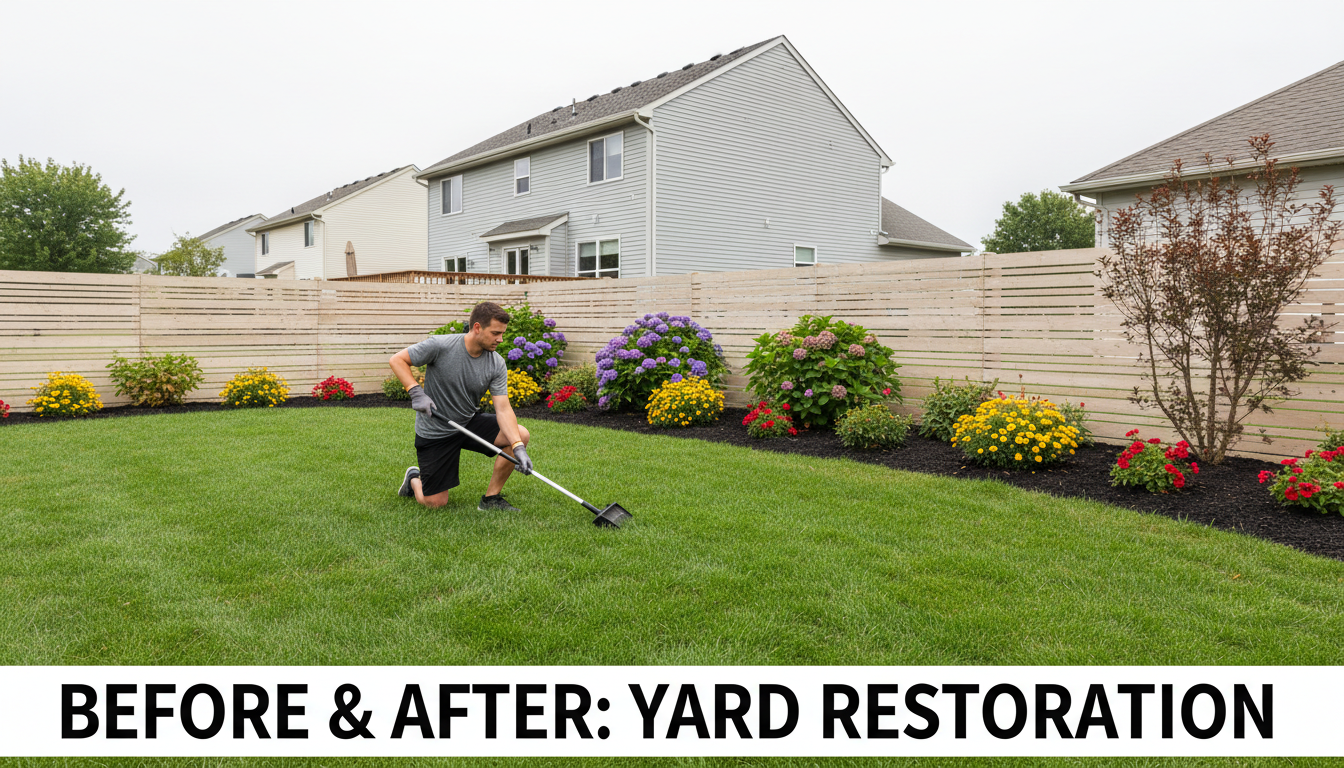
Another common belief is that pet waste decomposes quickly and harmlessly in the yard. In reality, pet waste can take over a year to decompose fully, during which it poses health risks.
During this decomposition period, pet waste can leach harmful nutrients into the soil and water systems, affecting local ecosystems. Proper disposal is crucial in managing these environmental impacts.
Myth 3: It's Fine to Leave Pet Waste in Public Areas
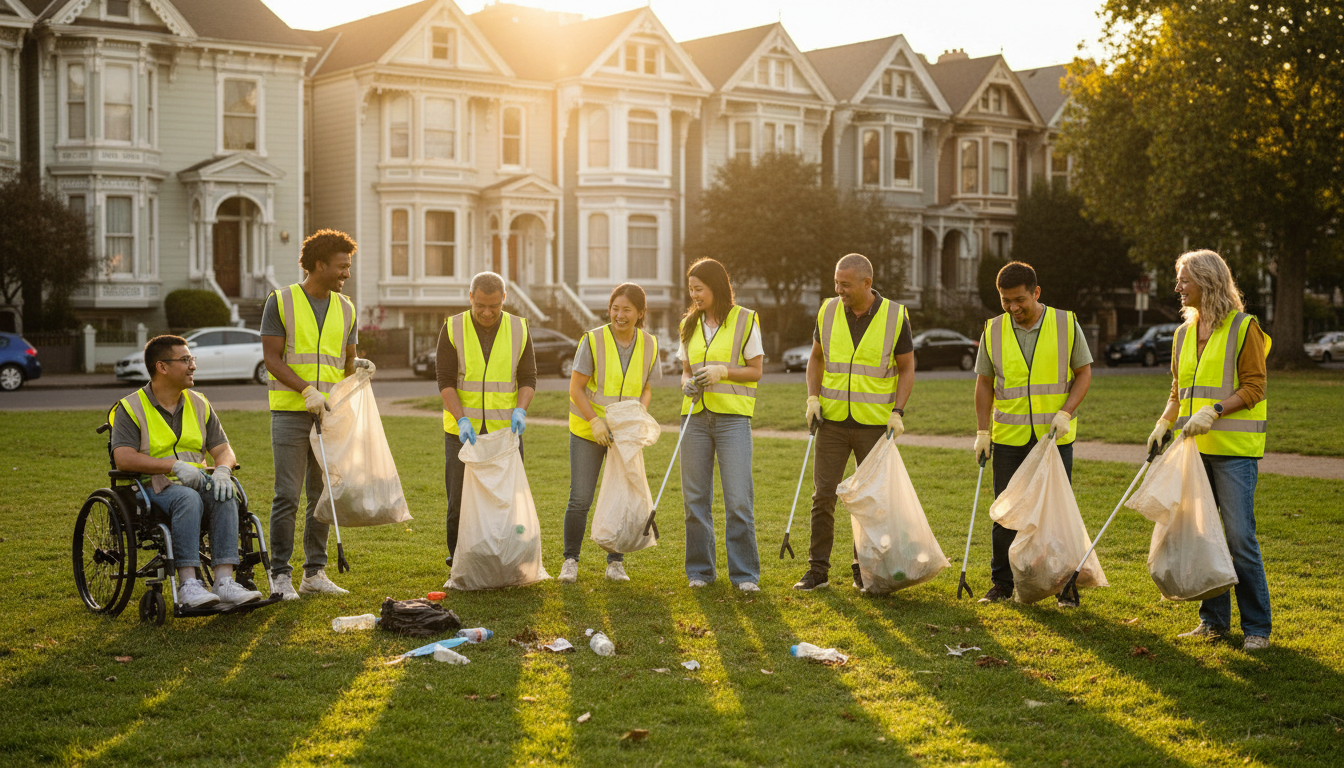
Some pet owners assume that leaving pet waste in public areas like parks won't cause harm. This is far from the truth. Pet waste left in public areas can affect community health and cleanliness.
Many cities have ordinances requiring pet waste removal to maintain clean and safe public spaces. Being a responsible pet owner means abiding by these regulations and cleaning up after your pet.
Myth 4: Only Large Pets Produce Problematic Waste
It's a common misconception that only large pets' waste is a concern. In reality, waste from pets of all sizes can be problematic if not managed correctly.
Small pets produce waste that can still harbor harmful pathogens. Responsible pet owners need to manage waste from pets of all sizes to ensure the well-being of their community.
Steps to Properly Dispose of Pet Waste
Proper pet waste disposal is essential for health and environmental reasons. Here are some steps to follow:
- Use biodegradable bags to pick up waste.
- Dispose of waste in designated bins or compost facilities if available.
- Consider hiring a pet waste removal service for convenience and efficiency.
Conclusion
Debunking these myths highlights the importance of responsible pet waste removal. By understanding the facts, pet owners can make informed decisions that contribute to healthier communities and environments.
Embrace responsible pet ownership practices and spread awareness about the importance of proper pet waste management. Together, we can create a cleaner and safer world for everyone.